
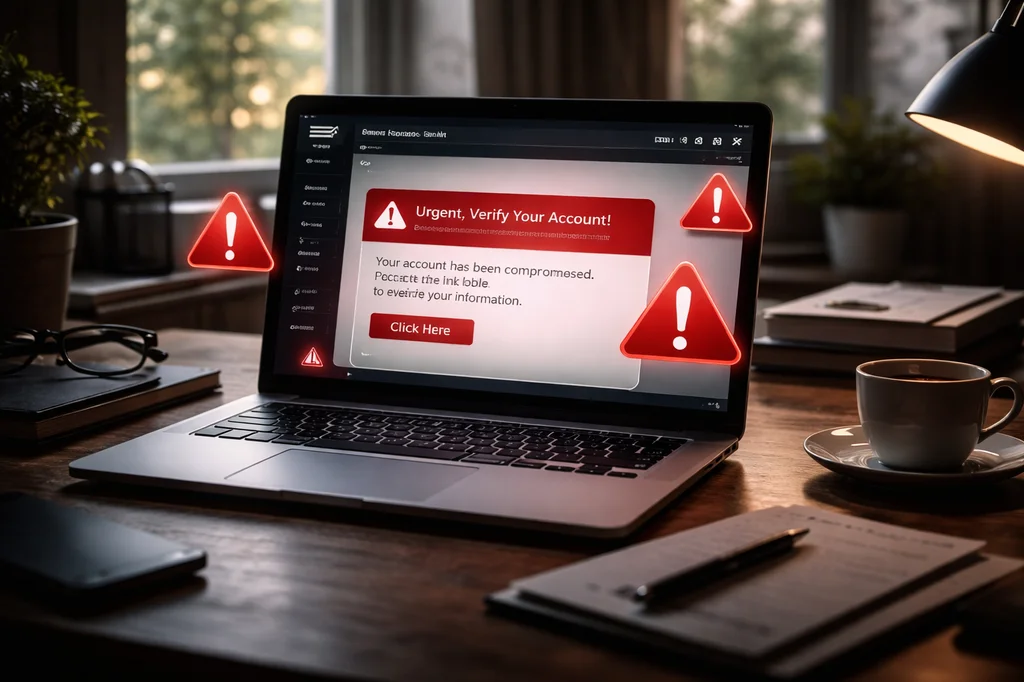
April 1 comes and goes. The pranks disappear. Unfortunately, the cybersecurity threats targeting Salt Lake City architectural firms don't disappear with them.
Spring is one of the most active seasons for cybercriminals — and Utah design firms are not immune. Not because your project teams are careless, but because architects and project staff are deep in design deadlines, client reviews, and consultant coordination. That's when the almost-believable scams slip through: the kind that blend into a normal project day and don't feel dangerous until it's too late.
Here are three active cybersecurity threats hitting architectural firms right now. Not targeting gullible people, but sharp, creative professionals who are just trying to hit their project milestones. As you read through these, ask yourself one honest question: Would everyone on your design team pause long enough to catch each one?
Scam #1: The Toll Road (or Parking Fee) Text
A project architect gets a text between design reviews: "You have an unpaid toll balance of $6.99. Pay within 12 hours to avoid late fees." The amount is small. They're between deadline reviews, so they click and pay. Except the link wasn't real. The FBI received more than 60,000 complaints about fake toll texts in 2024 alone, and volume jumped 900% in 2025. The reason it works: $6 doesn't feel risky, especially when you're focused on getting a schematic design done by end of week.
The guardrail: No payments through text-message links. Go directly to the official website. Convenience is the bait. Process is the defense.
Scam #2: 'Your File Is Ready'
A project manager receives an email that a file was shared — a Revit model in BIM 360, project documents in Autodesk Docs, or a client feedback attachment. The formatting looks exactly like every other Autodesk notification. They click, enter their credentials, and now an attacker has access to your BIM 360 environment — your entire project portfolio, including design files, client information, and consultant collaboration data.
Phishing campaigns abusing platforms like Autodesk Construction Cloud, BIM 360, and DocuSign increased 67% in 2025. For architectural firms, a compromised BIM 360 account isn't just an IT problem — it's your design IP, your client relationships, and potentially years of project documentation at risk.
The guardrail: If a shared file wasn't expected, don't click the link — log directly into Autodesk or the platform. Enable multi-factor authentication on all project collaboration accounts. Boring habit. Critical protection for your design work.
Scam #3: The Email That Looks Like a Client or Consultant
A 2025 study found that AI-generated phishing emails achieved a 54% click rate, compared to 12% for human-written ones. For architectural firms, the most common variant impersonates a client, an engineer of record, or a contractor requesting updated invoice or payment information for a project. The email references the right project name and the right people. In one recent test, 72% of employees engaged with vendor impersonation emails.
For architectural firms handling project payments, design fee invoices, and consultant coordination, a successful impersonation can redirect payments or expose client confidential program information.
The guardrail: Any request involving payment changes gets verified through a second channel — a phone call to a number already on file. Urgency in a payment-related email is the warning sign.
What This Means for Your Salt Lake City Architectural Firm
Your design files are your primary business asset and the product of years of creative investment. A cybersecurity breach at an architectural firm isn't just a data problem — it's a design IP problem, a client trust problem, and potentially a project delivery problem if ransomware locks your BIM environment during a critical design phase.
The goal of a strong cybersecurity posture isn't just technical controls: it's process design that protects your design work and client relationships even when your project teams are under deadline pressure.
Frequently Asked Questions
What cybersecurity threats are most relevant to Salt Lake City architectural firms?
Platform phishing through BIM 360 and Autodesk Construction Cloud is a growing threat for design firms — compromised credentials can expose entire project portfolios. Ransomware targeting design environments is increasingly common, as attackers know BIM models and Revit files are critical and difficult to recover. Vendor and client impersonation targeting project payments rounds out the top active threats.
How can architectural firms protect their design files and BIM models from cybersecurity threats?
Multi-factor authentication on all Autodesk and BIM 360 accounts significantly reduces the risk of credential theft. Proper access controls — ensuring subcontractors and consultants have only the permissions they need — reduce the blast radius of any compromised account. Regular backups of design files and BIM models to separate, verified backup destinations protect against ransomware.
Does Qualit offer IT support and cybersecurity for architectural firms in Salt Lake City?
Yes. Qualit provides cybersecurity and managed IT services for architectural firms and design studios across Salt Lake City and the greater Utah area, including design platform security, workstation performance management, and proactive threat monitoring. A quick discovery call is a good place to start.
That's Where We Can Help
Most Salt Lake City architecture principals want to focus on design and client relationships — not on cybersecurity policy. They want to know their design files are protected and their project workflows are secure.
- The cybersecurity risks Salt Lake City architectural firms are seeing right now
- Where design IP and project data risks surface through normal collaboration workflows
- Practical ways to protect your firm without disrupting your project teams