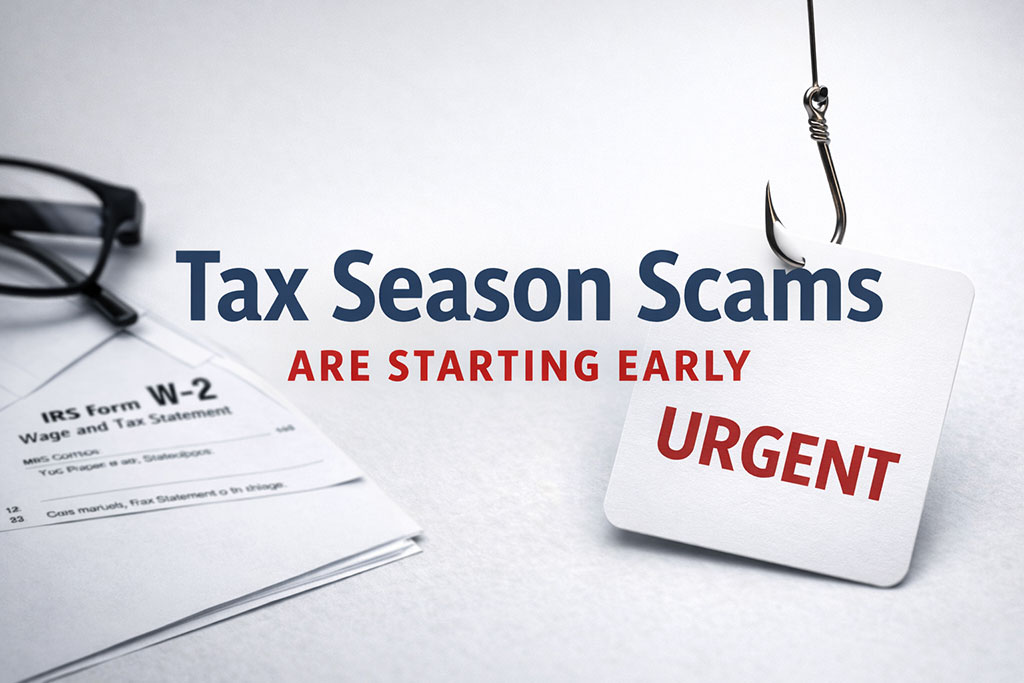
It’s February. Which means it’s not just cold outside — it’s risky inside your inbox.
Tax season is officially underway. Your billing coordinator is double-checking 1099s. Your office manager is pulling payroll reports. Your CPA is stacking up client deadlines.
But for most Salt Lake City medical practices, the first real tax-season disaster won’t come from the IRS. It’ll come from a fake email that looks real enough to fool even your most trusted employee.
It’s called the W-2 scam. And it’s already making the rounds.
The W-2 Scam: What Salt Lake Healthcare Teams Need to Know
Here’s how it works:
Your clinic manager or payroll admin gets an email that appears to be from the doctor-owner, the administrator, or someone in authority.
"Hey, can you send me all the employee W-2s? The accountant needs them today. I’m slammed with patients."
It’s short. Urgent. Sounds completely normal this time of year.
And in a busy practice juggling patients, claims, and lab results? It barely raises an eyebrow.
But the email isn’t real. It’s a spoof. The criminal on the other end is counting on you to act fast and not verify.
And once they get those W-2s, they have everything they need:
- Full legal names
- Social Security numbers
- Addresses
- Income data
With just that info, they can file fake tax returns, open credit lines, or worse.
What Happens Next (And Why It’s a Nightmare for Medical Practices)
Your employee tries to file their return.
It gets rejected: "Return already submitted for this SSN."
Suddenly your practice is in crisis mode:
- Staff members are victims of identity theft.
- You're on the phone with legal and compliance advisors.
- You’re issuing credit monitoring.
- You’re explaining how a single email took down your team's trust in your systems.
In healthcare, where patient trust is sacred, internal trust matters just as much. And one phishing email can unravel it.
Why This Scam Works So Well in Medical Offices
Medical practices in Salt Lake City are prime targets. Why?
- The timing is perfect. It’s tax season. W-2 requests feel normal.
- The message is realistic. No one’s asking for wire transfers. Just documents you actually do share in Q1.
- The tone is urgent, but not weird. In a busy clinic, "I'm swamped" sounds right.
- The sender looks legitimate. Bad actors do their research. They know your name, your EMR system, even your accountant’s name.
- Your team wants to be helpful. Especially to physicians and leadership.
It preys on fast-moving staff and unclear boundaries around sensitive data.
How to Protect Your Salt Lake City Practice From W-2 Phishing Attacks
The good news? You don’t need expensive cybersecurity tools to block this one. Just better boundaries and clearer policies.
Here’s what Qual IT recommends:
- Create a "No W-2s via Email" Policy
W-2s never leave your office via attachments. Ever. Not even to the CEO. Not even if it looks urgent.
- Use a Second Channel for Any Sensitive Request
Train your staff to confirm every sensitive request by phone, in-person, or chat. But always using contact info they already know — not the number in the email.
- Do a 10-Minute Tax Scam Training
Pull your admin, HR, and billing staff together. Show them a real example. Let them know: this happens in Salt Lake practices every year.
- Enable MFA on HR and Payroll Systems
Multi-factor authentication (MFA) adds a critical wall. If a password gets stolen, criminals still can't get in.
- Reward Verification, Not Speed
If your front office manager pauses to confirm a request, celebrate it. Create a culture where caution is praised, not punished.
These five steps are simple. They cost almost nothing. And they can save you from weeks of compliance nightmares.
This Is Just the Beginning
The W-2 scam is just phase one. Tax season opens the floodgates for healthcare-related phishing attacks:
- Fake emails from "insurance payers" with infected attachments
- Spoofed messages from "your EMR vendor" asking you to reset credentials
- Bogus IRS notices demanding payment
- Malware disguised as "practice finance reports"
Scammers love the healthcare space because the stakes are high, the software is complicated, and staff are too busy to double-check every link.
The practices that stay protected don’t rely on luck. They rely on policy, process, and the right Salt Lake IT support team.
Is Your Practice Protected?
If you already have verification policies, MFA, and scam-awareness training, great. You’re ahead of the curve.
But if your office still shares W-2s by email, or if your team isn’t sure how to spot a spoofed request, now is the time to act — not after the breach.
At Qual IT, we specialize in IT support and cybersecurity for Salt Lake City medical practices. Our clients sleep easier knowing their HR systems are locked down, their staff is trained, and their tech stack isn’t vulnerable to a fake email.
Click here to book your free network assessment with Qual IT.
Let us help you stop tax season threats before they start. Because medicine is hard enough without identity theft on your hands.